


close
Choose Your Site
Global
Social Media


Views: 0 Author: Site Editor Publish Time: 2026-06-24 Origin: Site


Choosing a floor cleaner is not only about size or price. A walk behind floor scrubber must fit the building, floor type, traffic flow, and cleaning schedule. In this article, you will learn how to choose the right walk behind scrubber for warehouses, schools, and hospitals without overbuying or choosing a machine that slows your team down.
● A walk behind floor scrubber works best when its size, brush type, tank capacity, and runtime match the real cleaning route.
● Warehouses usually need stronger scrubbing pressure, durable parts, and wider cleaning paths for concrete floors, dust, tire marks, and pallet debris.
● Schools should focus on low noise, easy controls, safe drying, and compact movement through hallways, cafeterias, gyms, and classrooms.
● Hospitals need quiet operation, reliable water recovery, simple sanitation, and smooth movement through corridors and patient-care areas.
● A battery powered walk behind floor scrubber is often easier for large or busy facilities because it removes cord limits.
● Long-term value depends on maintenance access, consumable cost, parts support, and staff training, not only purchase price.
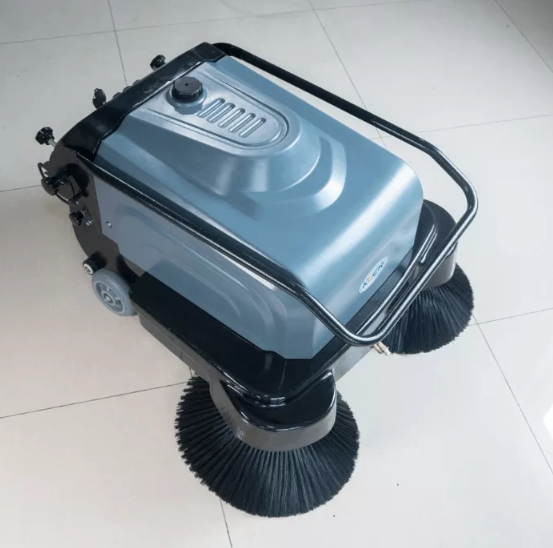
A warehouse floor scrubber must handle hard work. These spaces often have concrete floors, forklift traffic, dust, tire marks, packaging waste, and small debris near storage racks. A light-duty scrubber may clean the surface, but it may struggle when soil builds up in busy aisles.
For warehouses, look at scrubbing pressure, cleaning path width, battery runtime, and recovery tank size. A wider path can help in open loading areas. A compact body still matters in shelving aisles. If the machine turns poorly, operators lose time at every corner.
Durability also matters. Warehouse teams often use cleaning equipment daily, so the body, brush deck, squeegee, and wheels should feel strong enough for regular use on hard floors.
Schools have a different problem. The dirt may be lighter, but the traffic is constant. Hallways, cafeterias, entrances, gyms, and classrooms all need regular cleaning. The machine should be easy for staff to learn and safe to use around people.
A walk behind scrubber for schools should have simple controls, good water pickup, and low noise. Fast drying is important because students and teachers move through the same areas many times a day. If the scrubber leaves wet streaks, it can create slip risks.
Compact design is also useful. Schools often have narrow corridors, doorways, furniture, and storage rooms. A smaller machine may clean more effectively than a large one if it can move freely.
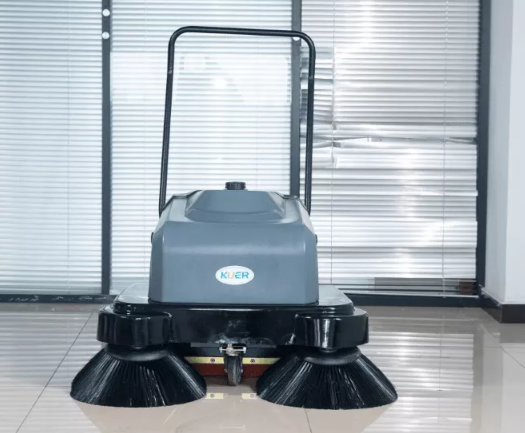
Hospitals need clean floors, but they also need controlled cleaning. Patient areas, nurse stations, corridors, visitor spaces, and treatment zones require quiet operation and reliable water recovery. The machine should support hygiene-sensitive cleaning without making the work too complex.
For hospitals, choose a walk behind floor scrubber that is easy to clean after use. Tanks, brushes, and squeegees should be simple to access. Operators should be able to remove dirty water, rinse the recovery tank, and inspect the machine quickly.
Noise level is also important. Cleaning may happen during working hours, so the scrubber should not disturb patients, staff, or visitors.
Facility Type | Main Cleaning Challenge | Best Machine Focus |
Warehouse | Dust, tire marks, concrete soil, wide aisles | Strong pressure, durable parts, wider path |
School | Hallway traffic, cafeteria spills, safety | Low noise, easy controls, fast drying |
Hospital | Hygiene needs, quiet zones, frequent traffic | Water recovery, sanitation, maneuverability |
Traffic changes the cleaning plan. Warehouses deal with forklifts, pallets, and workers. Schools deal with students moving in waves between classes. Hospitals deal with staff, patients, beds, carts, and visitors throughout the day.
These patterns affect the best scrubber size. A busy hospital corridor may need a compact walk behind scrubber for narrow aisles and quick turns. A warehouse may need a larger cleaning path to cover more floor before the next shift begins.
A machine used once a week can be smaller than one used every day. A scrubber used during a night shift may need longer runtime. A school may need quick cleaning after lunch. A hospital may need spot cleaning during the day.
Choose a machine based on the route your team actually cleans. This includes refill points, charging time, storage location, and staff availability.
Tip:Test the scrubber on your busiest route before buying, not only on an open floor area.
Total building size can mislead buyers. A facility may be 80,000 square feet, but not every area needs scrubbing. Offices, storage rooms, carpeted zones, and equipment areas may be outside the daily cleaning route.
Measure the actual hard floors that need cleaning. Then divide them by cleaning frequency. This gives a better picture of the machine capacity you need.
A walk behind scrubber must pass through doorways, service areas, corridors, and tight corners. In warehouses, the narrowest shelving aisle may decide the machine size. In schools, the issue may be classroom doors and hallway furniture. In hospitals, carts and beds may reduce working space.
A compact walk behind scrubber for narrow aisles can save time because operators spend less effort backing up or repositioning.
A wide cleaning path improves productivity in open spaces. It helps warehouses, gyms, cafeterias, and large corridors. A narrow path gives better control in small rooms and crowded areas.
The right choice is not always the widest machine. The best cleaning path is the one that lets operators clean smoothly without leaving missed edges or making too many turns.
Before choosing a machine, check where it will live. It should fit in a janitorial closet, maintenance room, elevator, or charging area. If staff must move it between floors, check ramps, door thresholds, and elevator space.
A machine that is hard to store often gets used less. Easy storage supports better cleaning habits.
Disc brushes work well on many smooth hard floors. They are common for sealed concrete, vinyl, terrazzo, tile, and finished floors. They provide even contact and are suitable for daily floor maintenance.
Schools and hospitals often use finished floors, so controlled cleaning is important. Too much pressure can wear the finish faster. A disc system with suitable pads or brushes can help maintain a clean appearance.
Cylindrical brushes can be useful where floors have texture, grout lines, or small debris. Warehouses may benefit from this type when dust, chips, or grit appear before scrubbing.
This does not replace sweeping in every case. Heavy debris should still be removed first. But the right brush system can improve cleaning results when the floor is not perfectly smooth.
Pad drivers are useful for light soil and routine maintenance. They are often used where floor finish protection matters. Schools and healthcare spaces may prefer them for daily cleaning when floors are not heavily soiled.
The pad color and type should match the floor and cleaning goal. A wrong pad can clean poorly or damage the surface.
Warehouses may need stronger brush pressure for tire marks, concrete dust, and tracked-in dirt. Schools may need moderate pressure for cafeteria spills and hallway soil. Hospitals often need reliable cleaning but careful floor protection.
Adjustable brush pressure is helpful because one facility may have more than one floor condition. It lets teams clean heavier soil when needed and reduce wear on sensitive floors.
Note:Brush pressure should solve the soil problem, not create a new floor damage problem.
A battery powered walk behind floor scrubber should complete the normal route without stopping too often. If staff must charge the machine before finishing, productivity drops quickly.
Map the route first. Include hallways, entrances, restrooms nearby, cafeterias, warehouse lanes, patient corridors, or any hard floors cleaned each shift. Then compare that route with practical runtime, not only brochure numbers.
Solution and recovery tanks decide how long the operator can clean before refilling or emptying. Larger tanks reduce stops. They also make the scrubber heavier.
For open warehouses, larger tanks may help. For hospitals or schools with tight spaces, balance capacity with movement. A machine that is too heavy or bulky can slow the operator.
Battery choice affects daily use. Some batteries need longer charging windows. Others support faster charging or easier maintenance. The best choice depends on how many shifts the machine must support.
If cleaning happens once after closing, a standard charging routine may work. If cleaning happens throughout the day, charging speed and battery management become more important.
Water pickup is one of the most important features. A good scrubber should wash, scrub, and recover dirty water in one pass. This leaves floors cleaner and safer.
Schools, hospitals, entrances, and busy corridors need strong drying performance. Wet streaks can create complaints and safety risks. Check the squeegee system, vacuum strength, and how easy the squeegee blades are to replace.
Reliable water pickup helps reduce slip risks. It also improves the final appearance of the floor. If dirty water remains behind, the floor may look dull or streaked.
For healthcare spaces, clean recovery is even more important. The scrubber should collect dirty water consistently and allow staff to empty and rinse tanks without trouble.
Low-noise cleaning matters in schools and hospitals. A loud scrubber can disturb lessons, exams, office work, patients, or visitors. Quiet operation gives teams more freedom to clean during active hours.
Warehouses may also benefit from lower noise. It helps operators stay aware of traffic and signals in active work zones.
Simple controls reduce mistakes. Operators should understand how to start, stop, adjust water flow, lower brushes, and recover water. If the controls are confusing, cleaning quality becomes inconsistent.
User-friendly controls also reduce training time. This matters when teams have new staff or rotating operators.
Operator comfort affects cleaning results. A good walk behind scrubber should feel stable and easy to steer. Handle design, machine balance, visibility, and turning effort all matter.
In large schools or warehouses, operators may clean for long periods. Poor ergonomics can cause fatigue, slower work, and missed areas.
Tip:Ask operators for feedback during a demo, because they will notice handling problems faster than managers.
A scrubber needs daily care. Staff should be able to rinse tanks, check brushes, clean squeegees, and inspect recovery areas without tools or complicated steps.
Easy-access maintenance points help prevent small problems from becoming downtime. Quick-change squeegee blades are useful because worn blades often cause poor water pickup.
The purchase price is only one part of the cost. Brushes, pads, squeegee blades, filters, batteries, chargers, and cleaning chemicals all affect long-term spending.
For daily use, consumables matter more. A cheaper machine may cost more later if parts wear quickly or are hard to source.
Warehouses, schools, and hospitals cannot afford long cleaning equipment downtime. Ask about warranty coverage, parts supply, service response, and preventive maintenance support.
Reliable service helps keep the machine useful for years. It also protects cleaning schedules when problems appear.
Buying may fit facilities with daily cleaning needs. Leasing may help when budgets require monthly planning. Renting may work for seasonal projects, temporary buildings, or short-term deep cleaning.
The best choice depends on use frequency, budget, and how long the facility plans to keep the equipment.
Estimate the actual hard floor area. Then consider how often it must be cleaned. Daily routes need better runtime and tank capacity than occasional cleaning.
List the floor surfaces and soil types. Think about concrete dust, tire marks, food spills, hallway dirt, tracked-in rain, and hygiene-sensitive areas.
Match runtime and tank size to the cleaning route. The goal is fewer stops, less waiting, and smoother work for the operator.
Check controls, training needs, tank cleaning, brush changes, squeegee access, and storage. A practical machine should help staff clean better with less effort.
Note:A good buying checklist should reflect your building, not a general product catalog.
Choosing the right walk behind floor scrubber starts with the facility. Warehouses need strength and efficiency. Schools need quiet and safe cleaning. Hospitals need hygiene and steady water recovery. Hefei Kuer Environmental Protection Technology Co., Ltd. provides compact, efficient cleaning equipment with practical support, helping teams clean hard floors with less effort and more confidence.
A: A walk behind floor scrubber washes, scrubs, and collects dirty water while the operator walks behind it.
A: Choose a walk behind scrubber with strong pressure, durable parts, and enough tank capacity.
A: It improves floor safety, cleans faster, and supports quiet daily floor maintenance.
A: Cost depends on size, battery, tank capacity, parts, and service support.
A: Walk behind scrubbers suit tighter areas; ride-on units suit very large open spaces.


