


close
Choose Your Site
Global
Social Media


Views: 0 Author: Site Editor Publish Time: 2026-06-18 Origin: Site


A walk behind floor scrubber should leave floors clean, dry, and safe. But what if it leaves water trails, weak cleaning results, or stops halfway through a job? These issues are common in daily commercial cleaning. In this article, you will learn the most common walk behind scrubber problems, what causes them, and how to fix them before they become costly downtime.
● A walk behind floor scrubber may lose performance because of worn squeegees, blocked hoses, dirty tanks, weak batteries, or incorrect brush settings.
● Poor water pickup is usually the first problem to check, because it affects safety and cleaning quality.
● If a walk behind scrubber cleans poorly, the issue often comes from the brush, pad, detergent, or brush pressure.
● Battery issues may come from age, poor charging habits, loose terminals, or too much brush pressure.
● Streaks, film, odor, and residue often mean the machine needs cleaning, correct chemical dilution, or new wear parts.
● Regular scrubber maintenance helps reduce downtime and keeps the machine easier to operate.
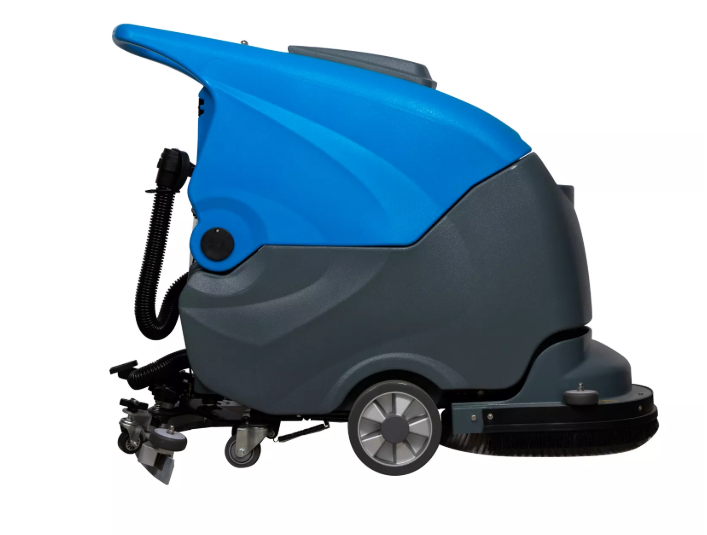
Poor water pickup is one of the most frequent walk behind floor scrubber problems. The machine may scrub the floor, but dirty water stays behind. You may see puddles, wet trails, or streaks after the machine passes. This can make the floor slippery and unsafe.
The squeegee is the first part to check. It guides dirty water into the vacuum path. If the blade is cracked, rounded, warped, or installed incorrectly, it cannot seal against the floor. Even a small gap can leave water behind. Operators should inspect the blade edge often and replace it before it becomes too worn.
Weak suction is another common cause. A blocked vacuum hose, dirty suction filter, loose cap, or poor tank seal can reduce recovery performance. The machine may sound normal but still fail to pick up water. In this case, check the hose, recovery tank inlet, filter, and hose connections.
A full or dirty recovery tank can also limit airflow. If the tank is full, the machine cannot collect more dirty water. If it is dirty, foam, odor, and debris may affect suction. Empty and rinse it after each use. Leave the lid open when possible, so it can dry.
The squeegee angle also matters. The blade must touch the floor evenly. Uneven floors, wrong adjustment, or moving too fast can reduce contact. If the floor stays wet, slow down and test the machine again after adjustment.
Excess foam is easy to overlook. Too much detergent or the wrong chemical can create foam inside the recovery tank. Foam can interfere with the vacuum system and may damage parts. Check dilution first. Use defoamer only when needed.
Problem sign | Likely cause | First check |
Water trails behind machine | Worn squeegee | Blade edge and angle |
Weak water recovery | Blocked hose | Hose, filter, and tank seal |
Puddles after cleaning | Full recovery tank | Tank level and float |
Foam in tank | Too much detergent | Dilution ratio |
Uneven pickup | Poor floor contact | Squeegee pressure and speed |
Tip:Start with the recovery tank, squeegee, hose, and filters before assuming the vacuum motor has failed.
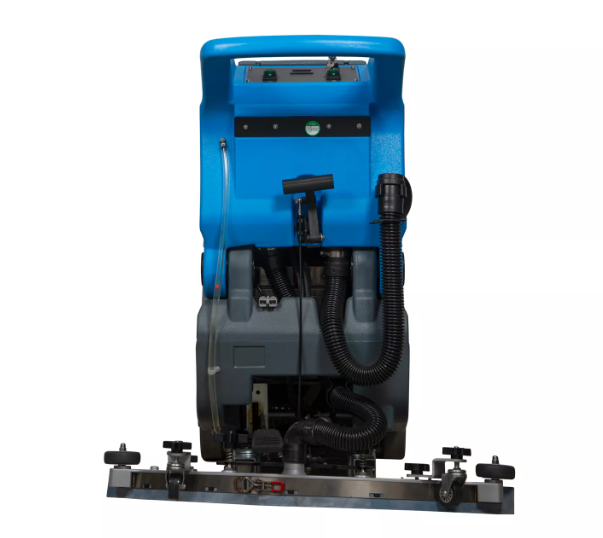
Sometimes the floor is dry, but it still looks dirty. This usually means the walk behind scrubber is moving, but it is not scrubbing well enough.
The brush or pad may not match the floor. Concrete, tile, epoxy, and polished floors need different cleaning tools. A pad that is too soft may fail to remove soil. A pad that is too aggressive may damage the finish. The best choice depends on floor type, soil level, and cleaning goal.
Worn brushes or pads also reduce cleaning power. Old pads may look flat, dirty, or uneven. Worn brushes may lose contact with the floor. Signs include dirty patches, uneven cleaning paths, or visible marks. Operators should inspect these parts before each shift, not only after a problem appears.
Brush pressure is another key factor. Too little pressure may leave dirt behind. Too much pressure may drain the battery faster or damage sensitive floor finishes. Rough floors may need more pressure than smooth floors, but higher pressure should not become the default setting.
Detergent choice also affects results. Organic soil, grease, dust, and mineral stains do not respond the same way. Too little detergent may not loosen dirt. Too much can leave a sticky layer. Follow the cleaning chemical supplier’s dilution guidance and adjust only when the floor condition requires it.
Note:If the machine moves normally but the floor remains dirty, check the brush, pad, pressure, and detergent before checking the vacuum system.
A walk behind floor scrubber not dispensing water cannot clean properly. The brush may spin, but without solution, dirt stays on the floor and the pad may drag across the surface.
Start with the simple checks. Is there enough water in the solution tank? Is the water flow setting open? Some machines allow operators to adjust flow. If the control is closed or set too low, water may not reach the floor.
The solution filter is another common cause. Dirt, chemical residue, or hard water minerals can block it. When the filter is clogged, the machine may release little or no water. Remove it, rinse it, and reinstall it correctly.
Next, check the solution hose and spray outlet. Hoses may kink, clog, or collect debris. Spray outlets may also block over time. If water flow is uneven, these areas need inspection.
If the tank, filter, and hoses are clear, the issue may involve an internal valve or flow component. A solenoid valve can stick or fail. This part often needs proper testing, so a technician should inspect it if basic cleaning does not solve the issue.
Many walk behind floor scrubber battery problems show up as short runtime. The machine may start well, then slow down or stop before the cleaning route is finished. This interrupts work and can increase labor time.
Old batteries are a common reason. Over time, batteries hold less charge. If runtime keeps dropping even after full charging, compare actual runtime with the machine’s normal performance. A large drop may mean the battery is near the end of its service life.
Poor charging habits can also reduce battery life. Batteries should be charged as directed by the manufacturer. A damaged charger cable, loose charger connection, or incorrect charging cycle may cause slow or incomplete charging. Operators should check charger indicators and connections before reporting a machine fault.
Loose or corroded battery terminals can create weak power delivery. The machine may shut off suddenly, run unevenly, or show poor performance. Trained staff should inspect the terminals and clean them safely when needed.
Brush pressure also affects runtime. High pressure increases motor load. It may be useful for heavy soil, but it can drain power faster. Lower the pressure for daily cleaning when heavy scrubbing is not needed.
Tip:Track battery runtime by shift. A simple record helps show whether the battery is aging or the cleaning settings are too demanding.
A walk behind scrubber not turning on can stop the cleaning schedule immediately. The cause may be simple, but it should be checked in a safe order.
For battery-powered machines, first check the charge level and battery connections. For corded models, check the plug, power cord, outlet, and breaker. Never use a cord with cuts, exposed wires, or a damaged plug.
Some machines have resettable fuses, safety switches, or lockout systems. These systems help prevent overload or unsafe operation. If the machine does not start, check the operator manual before resetting anything. A triggered safety switch may point to a deeper issue.
A machine that starts but shuts off may be overheating. Blocked vents, clogged filters, heavy brush load, or debris under the brush deck may raise stress on the motor. Let the machine cool, then inspect it carefully.
Repeated shutdowns need more attention. Burning smells, error codes, melted wires, or repeated electrical faults should not be ignored. A technician should inspect the wiring, motor, sensor, or control board.
Floor scrubber leaves streaks is a common search because the issue is easy to see. Streaks often come from dirty or worn squeegee blades. The blade may drag soil across the floor instead of collecting water. Clean and inspect it after each use.
A milky film or sticky residue usually means a chemical problem. Too much detergent, the wrong chemical, or poor rinsing can leave a visible layer. Waxed or coated floors are more sensitive to this issue. Reduce dilution strength and confirm the cleaner matches the floor.
Bad odor often comes from the recovery tank, hoses, or standing water. If dirty water sits in the machine, it can create smell and buildup. Drain and rinse tanks after use. Leave lids open to dry. Clean hoses and filters on a regular schedule.
Dirty pads can also spread soil. A pad full of grease, dust, or debris cannot clean well. It may smear dirt over the floor. Rinse pads after use and replace them before they lose texture. Do not store wet pads inside the machine.
Note:A clean machine is part of the cleaning process. Dirty tanks, pads, and squeegees often create the same problems operators blame on the floor.
Most walk behind floor scrubber problems can be reduced through simple habits. The goal is not complicated maintenance. It is consistent care.
After each use, empty and rinse the recovery tank. If needed, rinse the solution tank too. Clean the squeegee blades, brushes, pads, and visible debris. Wipe the machine body and check for leaks or loose parts. These small steps help prevent odor, blockage, and poor water pickup.
A weekly inspection should go deeper. Check battery terminals, hose condition, filters, wheel condition, brush wear, and squeegee edges. If the machine uses battery water, trained staff should check it according to the battery type. Also listen for vibration or unusual noise. These signs may appear before a part fails.
Operator training is just as important. Many problems come from wrong water flow, too much detergent, incorrect speed, or excessive brush pressure. Operators should know how to match settings to the floor. They should also report changes in sound, suction, runtime, or cleaning quality early.
Replacement parts should not be delayed. Squeegees, pads, brushes, hoses, and filters are wear parts. If they are used too long, they can cause poor results and extra strain on the machine. If the same repair keeps returning, review the machine size, floor type, cleaning frequency, and downtime cost.
Most problems come from squeegees, brushes, tanks, batteries, or poor maintenance. Hefei Kuer Environmental Protection Technology Co., Ltd. offers compact walk-behind scrubbers, sweepers, and service support. Its machines focus on maneuverability, water recovery, and easy operation. With proper care, they help users clean safer floors and reduce downtime.
A: A walk behind floor scrubber may have worn squeegees, blocked hoses, or a full recovery tank.
A: Check tanks, squeegees, hoses, filters, batteries, and brush settings first.
A: Dirty squeegees, poor suction, or too much detergent often cause streaks.
A: Costs depend on battery type, age, charger condition, and maintenance habits.
A: Clean tanks, inspect wear parts, charge batteries correctly, and train operators.
A: Debris, low battery, belt issues, or motor faults may stop rotation.


